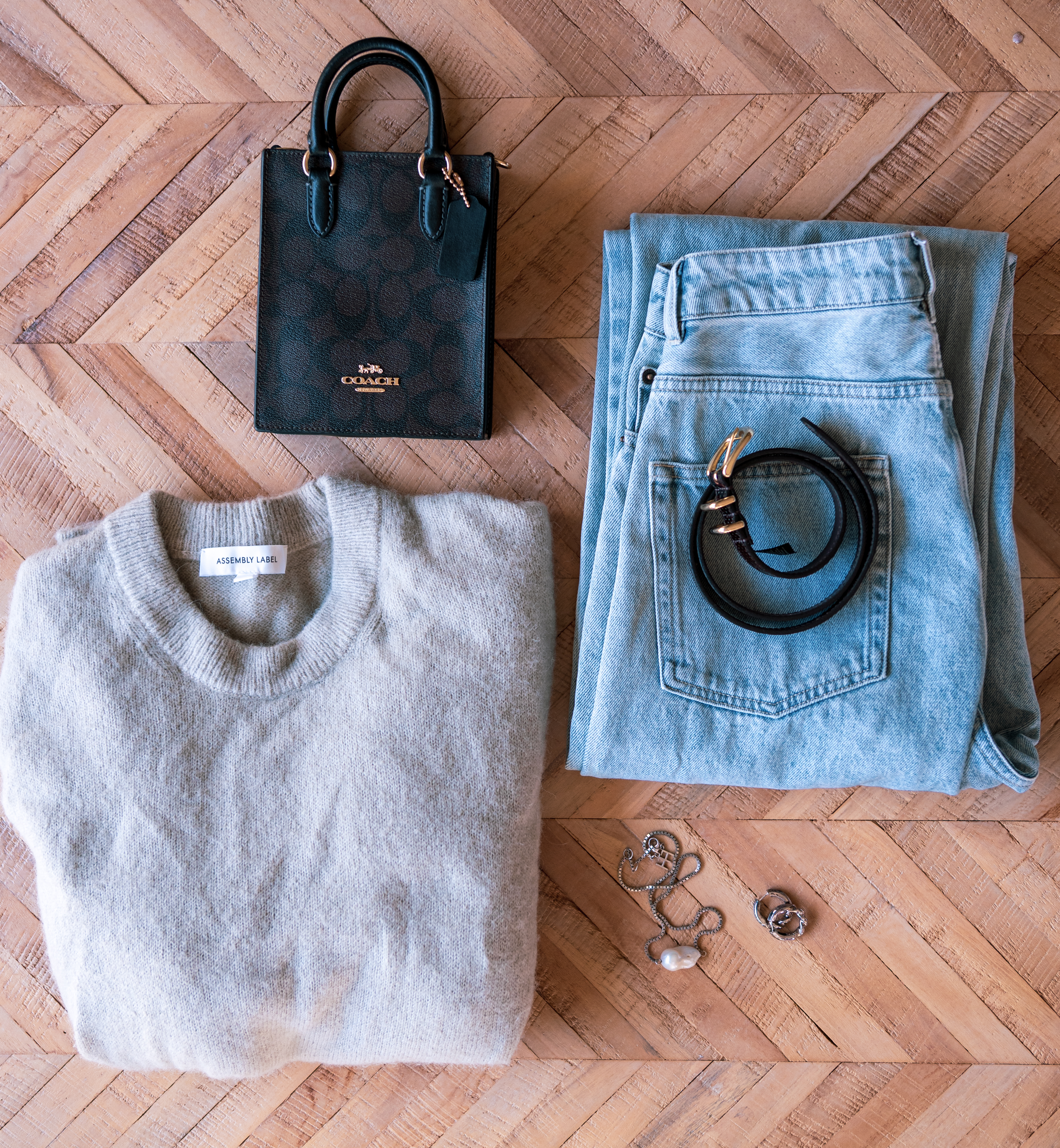
Here in the Southern Hemisphere, we are more than halfway through winter. And while I have enjoyed playing with layering for my winter outfits, I’m also starting to think about my spring wardrobe.
It can be tempting to start browsing new spring collections in stores before looking at what you already have in your wardrobe. This year, I am trying to be more intentional with my purchases by working out what I already have and what gaps actually need to be filled in my wardrobe, instead of winging it.
I don’t necessarily want to buy less just for the sake of buying less. I want to make better purchases and avoid ending up with more versions of things I already own while still feeling like I have nothing to wear.
So before I start adding new pieces for spring, these are the things I’m doing to reset my wardrobe and work out what I actually need.

1. Take Your Spring Clothes Out and See Everything Together
Start by thinking about what you actually need in spring. The weather is starting to warm up, so you probably don’t need as many layers, but there are still plenty of cooler days where full-length pants, tops and light knits make sense.
Bring out your lighter knits, shirts, trousers, dresses, skirts, denim and jackets and start putting your spring wardrobe back into rotation.
Seeing everything together makes it much easier to identify gaps and duplicates and to start planning outfits.
I also find that it’s almost like getting new clothes when I bring something out of storage and back into rotation. Pieces that I had completely forgotten about suddenly feel interesting again, which is another good reason not to start shopping too early.
Before buying anything new, I want to give the clothes I already own a proper chance.
2. Try On the Pieces You Haven’t Worn for a While
If you have items that you haven’t worn for a while, try them on again.
You want to make sure the fit, comfort and proportions still suit you and the way you currently dress. Our personal style can change over time, even when our actual wardrobe hasn’t.
Something you loved a couple of years ago might technically still fit but no longer feel quite right.
I also think fit makes a huge difference to how polished an outfit looks. A garment can be beautiful, but if the shoulders sit awkwardly, the trousers are slightly too long or you spend the entire day adjusting it, it probably isn’t going to become one of your most-worn pieces.
Rather than looking at the size on the label, pay attention to how the item actually sits on your body and whether you feel comfortable wearing it.
3. Be Honest About What You Didn’t Wear Last Spring
Try to be really honest with yourself about what you didn’t wear last spring. It’s one thing for an item to suit you and fit well, but I always ask myself: do I actually want to reach for this item?
If the answer is no, think about why you don’t reach for it.
Is it the fit? The colour? The material? Is it uncomfortable? Is it difficult to style? Or do you simply have nothing else in your wardrobe that works with it?
Sometimes there is an easy solution. Other times, you realise that you have been holding onto something simply because there is technically nothing wrong with it.
You don’t necessarily need to make a decision about keeping or donating everything straight away. I prefer to put those pieces on notice. If I make a conscious effort to wear something this season and still never reach for it, that tells me much more than trying to make a decision while standing in front of my wardrobe.
At the end of the season, if it still hasn’t been worn, I’m usually much happier to let it go.
4. Check What Needs Repairing, Altering or Refreshing
Before deciding that something needs replacing, check whether it just needs a little bit of attention.
Look for loose buttons, fallen hems, pilling, small stains, wrinkled fabrics, scuffed shoes or jewellery that needs cleaning.
These are small things, but they can make perfectly good clothes feel tired.
This is also a good time to look at whether anything needs a minor alteration. Maybe a pair of trousers would be much more wearable if they were hemmed slightly shorter, or a dress would sit better with the straps adjusted.
I have become much more aware of this because well-maintained clothing nearly always looks more expensive and polished than clothing that has been neglected, regardless of how much it actually cost.
Sometimes all a piece needs is a steam, a fabric shave or a small repair to feel wearable again.

5. Build a Few Outfits Before You Make a Shopping List
Once you have gone through your clothes, start putting outfits together.
I think this is much more useful than assessing every garment individually because, ultimately, we wear outfits rather than individual pieces.
Take a pair of trousers you know you like and see how many tops, shoes and jackets actually work with them. Do the same with skirts, jeans and dresses.
I also like taking quick photos on my phone when I put together an outfit I like. That way, I don’t have to reinvent it every time I get dressed.

This is usually where the real wardrobe gaps start to become obvious.
You might think you need more tops, for example, but once you start styling what you already own, you realise you actually have plenty of tops and what you are missing is one lightweight jacket that works with all of them.
That is a much more useful thing to know before you start shopping.
6. Work Out Which Colours You Actually Want to Wear This Spring
Spring collections tend to bring in lots of new colours, and it can be easy to get distracted by whatever is currently in stores.
Before adding any new colours to your wardrobe, look at the ones you already wear most often.
Choose a few neutrals that form the base of your wardrobe and then look at which accent colours work well with them.
You don’t need every colour in your wardrobe to match perfectly, but having some consistency makes it much easier to create outfits.
For my own wardrobe, I tend to gravitate towards cooler, muted colours. Soft navy, charcoal, blue-grey, cool taupe and soft white are easy neutrals for me, and then I can add colours like dusty rose, muted blue or soft burgundy.

Because I know these colours suit my colouring and work well together, I’m much less tempted by something in a beautiful colour that won’t actually work with anything else I own.
If you have had a seasonal colour analysis or already know which colours you feel best in, this is a good time to use that information rather than treating it as a rigid set of rules.
7. Identify the Real Gaps in Your Wardrobe
Now you can start looking for genuine gaps. The important part here is separating something you need from something you simply like.
There is nothing wrong with buying something just because you love it, but I think it helps to know which category it falls into.
A genuine wardrobe gap usually becomes obvious when you are actually trying to make outfits.
Maybe you have plenty of spring tops but no lightweight layer to wear over them. Maybe you have skirts but no shoes that work with them. Or perhaps most of your wardrobe is casual, but you keep struggling whenever you need something slightly dressier.
Your lifestyle matters here too.
There is no point building a wardrobe around an imaginary version of your life. Think about what you actually do most weeks: work, weekends, dinners, errands, events and the climate where you live.
The pieces you add should make those parts of your life easier to dress for.
8. Create a Very Short Spring Shopping List
Once you know where the gaps are, turn them into a short shopping list. I think the shorter the list, the better.
Instead of writing something broad like “new spring clothes”, make it specific.
For example:
- lightweight neutral cardigan
- straight-leg trousers in a cooler neutral
- comfortable everyday flats
- one spring dress that works for dinners and events

Specificity makes shopping much easier because you know exactly what problem you are trying to solve.
I also try to prioritise pieces that will work with several things I already own.
If I find a beautiful top but it only works with one pair of trousers, it probably isn’t going to earn its place in my wardrobe as easily as something I can style three or four different ways.
Of course, there will always be pieces you buy simply because you love them. I don’t think a wardrobe needs to be completely practical. But having a short list helps me avoid buying five spontaneous pieces while somehow still failing to buy the one thing I actually needed.
9. Set Some Rules Before You Start Shopping
Before you start browsing, it can help to set a few simple rules.
Mine are less about restricting myself and more about slowing the decision down enough to work out whether I actually want something.
Before buying, I try to ask myself:
- Does this work with at least three pieces I already own?
- Does the colour fit easily into my wardrobe?
- Would I realistically wear this within the next few weeks?
- Is it filling a genuine gap, replacing something or simply adding another version of something I already have?
- Does it fit properly now?
- Is it comfortable enough that I will actually reach for it?
One of the biggest changes I have made when shopping is trying to stop buying clothes for hypothetical situations.
If I immediately start thinking, “This would be perfect if I had different shoes,” or “I could wear this if I bought the right bra,” or “It might fit better if…”, I usually take that as a sign that the piece is going to require too much work.
The easiest clothes in my wardrobe are normally the ones that slot straight into what I already own.
10. Put Everything Back in a Way That Makes Getting Dressed Easier
Once you have finished your wardrobe reset, put everything back in a way that makes your spring clothes easy to see.
There is no single correct way to organise a wardrobe. You might prefer grouping everything by garment type, colour or how often you wear it.
The main thing is making sure the clothes you actually want to wear aren’t hidden away.
If there are pieces you want to give another chance this season, put them somewhere visible rather than at the back of a drawer.
This is also where having photos of outfits can be really useful. Keep a small album on your phone with combinations you know work so you have something to refer back to on mornings when you feel like you have nothing to wear.
And keep your spring shopping list somewhere accessible too. That way, when you do start browsing, you can compare what you are looking at against what you already decided you need.
Final Thoughts
For me, a spring wardrobe reset isn’t really about owning as little as possible.
It’s about understanding what is already in my wardrobe well enough that anything I add next has a purpose.
Once I have pulled everything out, tried things on and actually made some outfits, I usually realise I need far less than I initially thought.
And when I do decide to buy something new, the decision is much easier because I already know exactly what I am looking for and how it is going to fit into the rest of my wardrobe.
That feels much more intentional than starting the season by scrolling through new collections and hoping I somehow end up with a wardrobe that works.
If you enjoyed this post, you may also like:
10 Ways to Make Your Wardrobe Look More Expensive (Without Buying Designer)
Soft Summer Spring Capsule Wardrobe: 25 Essential Pieces for an Effortless Closet
How to Find Your Colour Season: A Beginner’s Guide to Colour Analysis
Building a Capsule Wardrobe for Your Soft Summer Palette
This post may contain affiliate links. If you purchase through one of these links, I may earn a small commission at no extra cost to you.